The Forum is sponsored by the Northeast Medical Caucus, a coalition of over 1,200 physicians in Essex and Middlesex counties.
This year, we will be highlighting
primary care medicine.
An Afternoon of Dialogue. Three Important Conversations.
The Northeast Medical Caucus is pleased to present the 3rd Healthcare Improvement Forum. This year’s Forum will bring together healthcare professionals, students, policymakers, community leaders and members of the public for thoughtful dialogue on addiction and mental health, healthcare policy and the future of primary care in Massachusetts.
We look forward to welcoming attendees to Coolidge Hall at the Topsfield Fairgrounds.
2026 Forum Agenda
PART
01
3:00-4:30 pm
Addiction and Mental Health
The first hour of the Forum will focus on addiction and mental health.
Professionals and representatives from organizations working in the prevention and treatment of addictions are being invited to participate.
Many professionals who attended the first two Forums are looking forward to returning.
SPEAKER
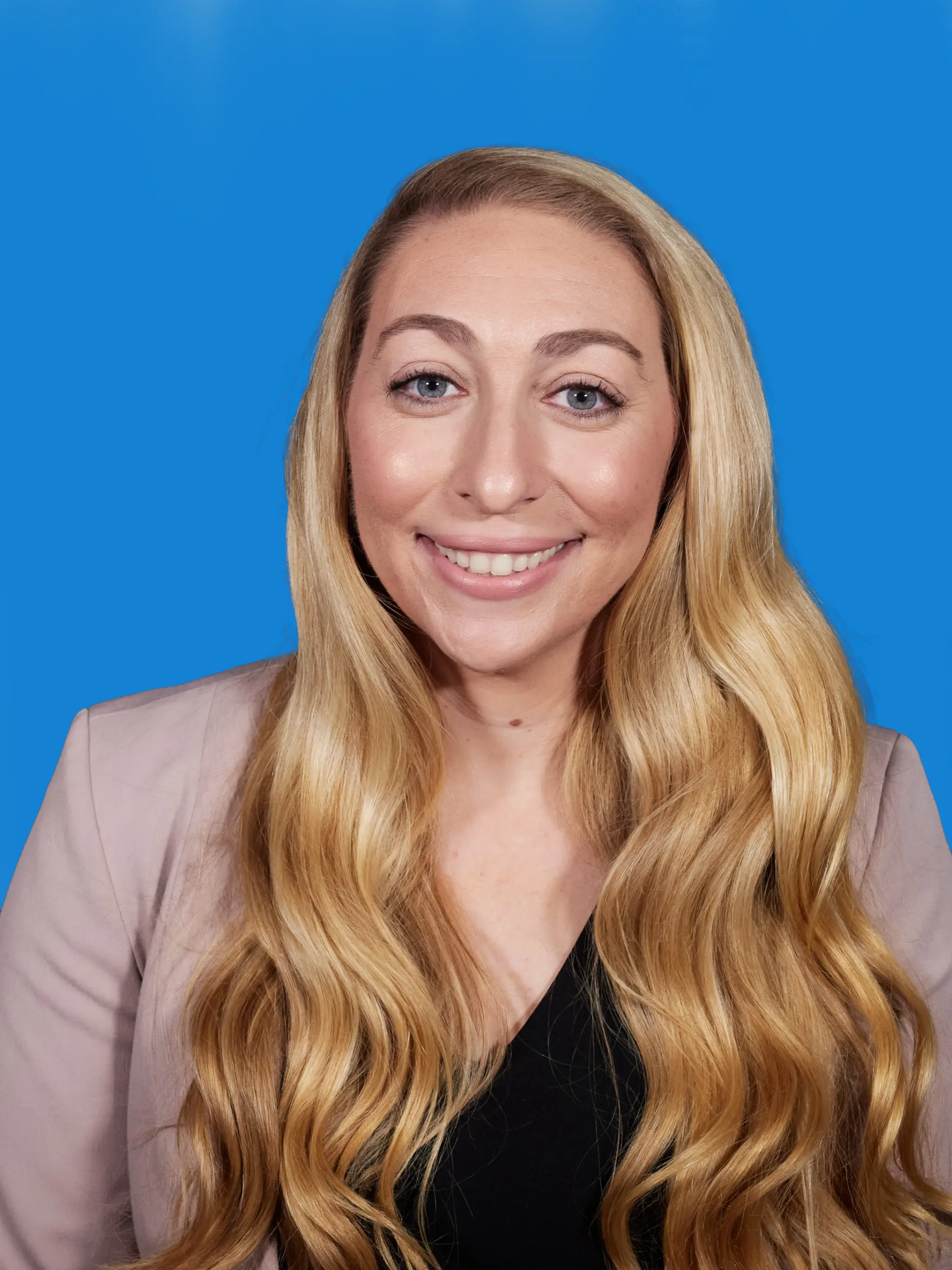
Rep Hannah Bowen
Massachusetts 6th Essex District
Legislating Health Policy : The View from Beacon Hill
SPEAKER
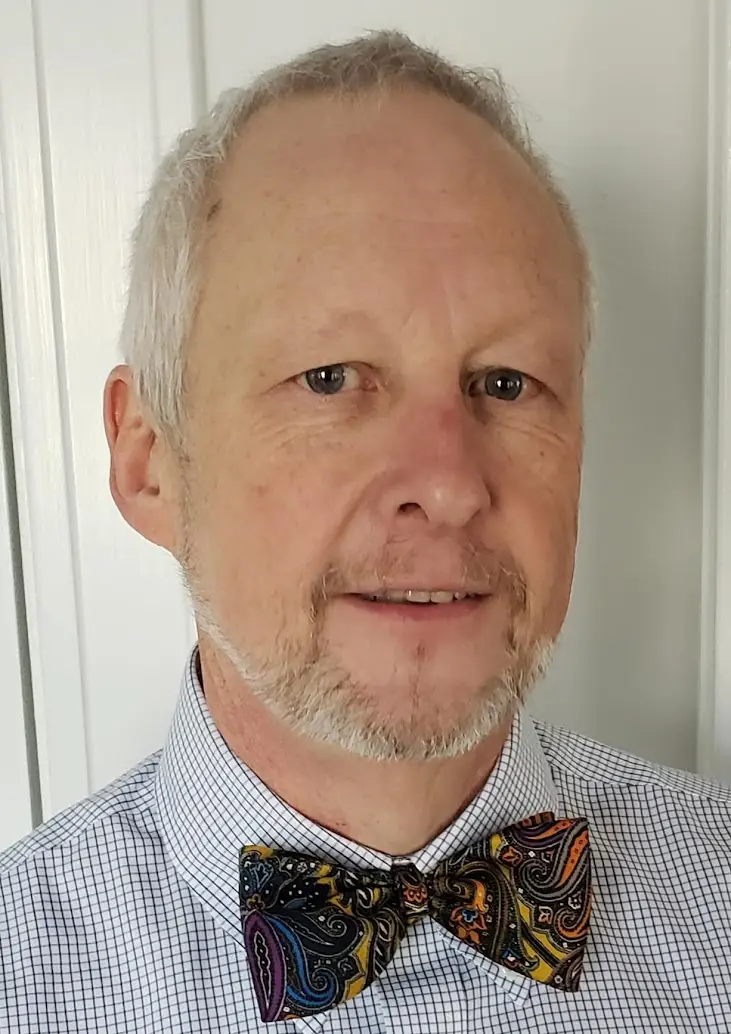
Christopher Shanahan, MD
Massachusetts Consultation Service for Treatment of Addiction and Pain (MCSTAP)
“Chronic Pain and Opioid Use Disorder: Two Sides of the Same Coin—An Evidence-Based Approach to Integrated Care”
SPEAKER
Heidi Ginter, MD
President-Elect, Massachusetts Society of Addiction Medicine
“The Mission, Values, and Priorities of the Massachusetts Chapter of the American Society of Addiction Medicine”
“The Changing Landscape of the Drug Supply – Part 2”
PART
02
4:30–6:00 p.m.
Healthcare Policy Debate
The second part of the Forum will be a healthcare policy debate among medical students.
Question 1: MASSACHUSETTS PRIMARY CARE LEGISLATION Will pending Massachusetts’ primary care legislation materially improve access and continuity of care, or will it fall short without deeper financing and workforce changes?
Question 2: ARTIFICIAL INTELLIGENCE IN PRIMARY CARE Will AI meaningfully improve care for patients and clinicians over the next five years, or will its risks and burdens outweigh the benefits?
Question 3 : CIVIC ASSEMBLIES Can a representative group of ordinary residents chosen by lottery, given the necessary logistical support, contribute to better and more legitimate healthcare policy recommendations?